








インスタグラムをフォローする
アウトドア企業以上の存在

ソーヤープロダクツ
Follow us on Instagram










A review of the myths and facts about carrying water bladders on an ultralight hike.
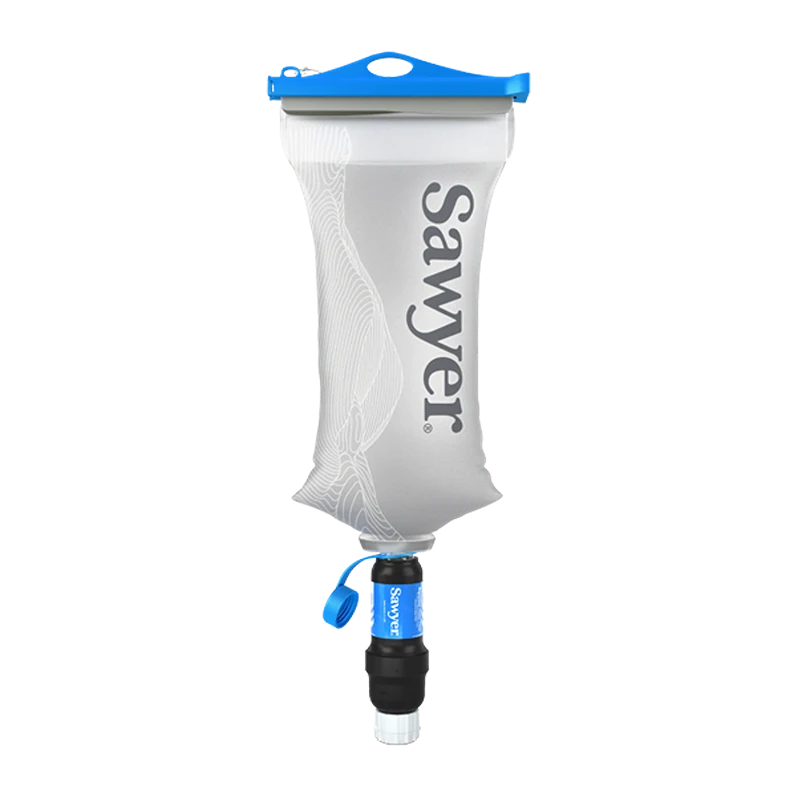
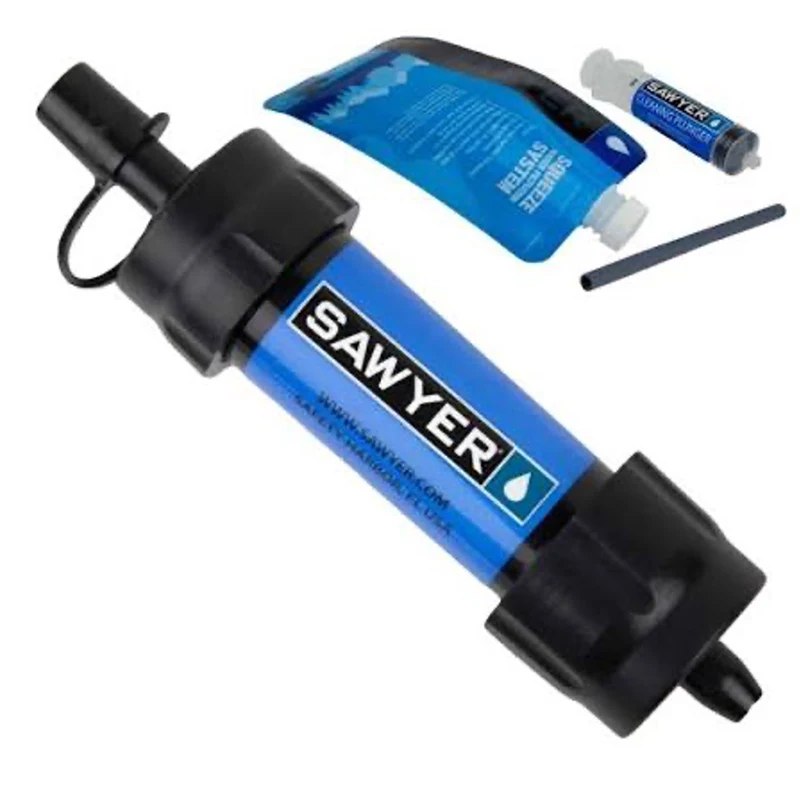
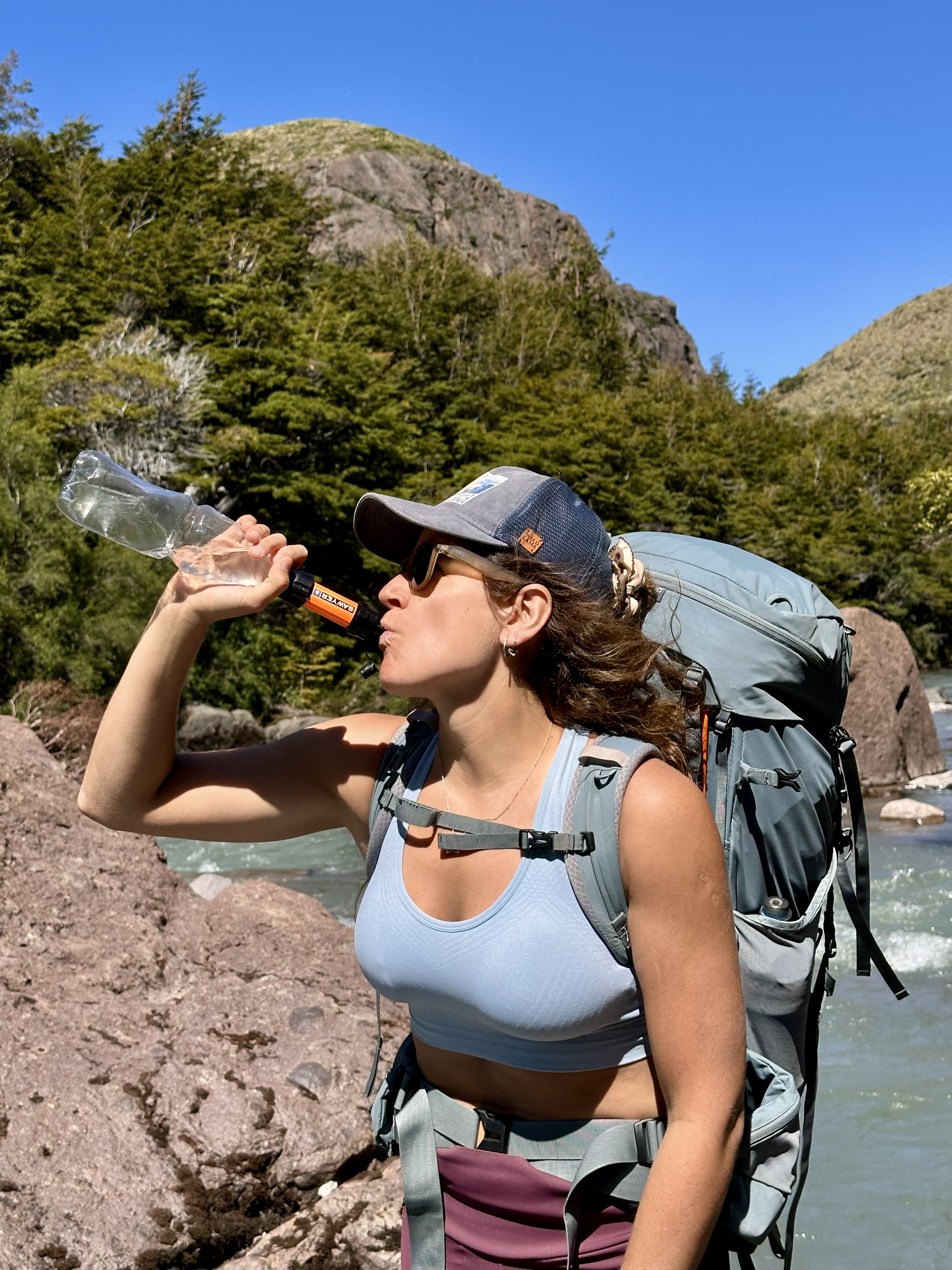
Watch videoThe Smartwater bottle and Sawyer Squeeze filter combo is a mainstay of the ultralight hiking kit. The bottles are cheap, replaceable, and lightweight. The screw-on filter means you can collect water and filter on the move. In comparison, my preferred water-carrying system, the once-ubiquitous water bladder and hose, is now considered tedious, fragile, and—worst of all—heavy. Let’s bust some myths to explain why I still carry it.
Myth #1: Bladders Are Heavy
First, the weight. I often hear ultralight hikers explain that water bladders are simply too heavy to consider as an option. And if you’re looking at something like a 1.5-liter Camelbak that weighs 7 ounces, that’s fair. But today’s lightweight bladder systems are nearly as weight-efficient as using disposable bottles. A one-liter Smartwater bottle weighs 1.2 ounces, while a three-liter Platypus bladder and hose hits the scale at 3.8 ounces.
Continue reading to learn more, written by Nathan Pipenberg.


The Smartwater bottle and Sawyer Squeeze filter combo is a mainstay of the ultralight hiking kit. The bottles are cheap, replaceable, and lightweight. The screw-on filter means you can collect water and filter on the move. In comparison, my preferred water-carrying system, the once-ubiquitous water bladder and hose, is now considered tedious, fragile, and—worst of all—heavy. Let’s bust some myths to explain why I still carry it.
Myth #1: Bladders Are Heavy
First, the weight. I often hear ultralight hikers explain that water bladders are simply too heavy to consider as an option. And if you’re looking at something like a 1.5-liter Camelbak that weighs 7 ounces, that’s fair. But today’s lightweight bladder systems are nearly as weight-efficient as using disposable bottles. A one-liter Smartwater bottle weighs 1.2 ounces, while a three-liter Platypus bladder and hose hits the scale at 3.8 ounces.
Continue reading to learn more, written by Nathan Pipenberg.
The Smartwater bottle and Sawyer Squeeze filter combo is a mainstay of the ultralight hiking kit. The bottles are cheap, replaceable, and lightweight. The screw-on filter means you can collect water and filter on the move. In comparison, my preferred water-carrying system, the once-ubiquitous water bladder and hose, is now considered tedious, fragile, and—worst of all—heavy. Let’s bust some myths to explain why I still carry it.
Myth #1: Bladders Are Heavy
First, the weight. I often hear ultralight hikers explain that water bladders are simply too heavy to consider as an option. And if you’re looking at something like a 1.5-liter Camelbak that weighs 7 ounces, that’s fair. But today’s lightweight bladder systems are nearly as weight-efficient as using disposable bottles. A one-liter Smartwater bottle weighs 1.2 ounces, while a three-liter Platypus bladder and hose hits the scale at 3.8 ounces.
Continue reading to learn more, written by Nathan Pipenberg.
アウトドア企業以上の存在

