






インスタグラムをフォローする
アウトドア企業以上の存在

ソーヤープロダクツ
Follow us on Instagram
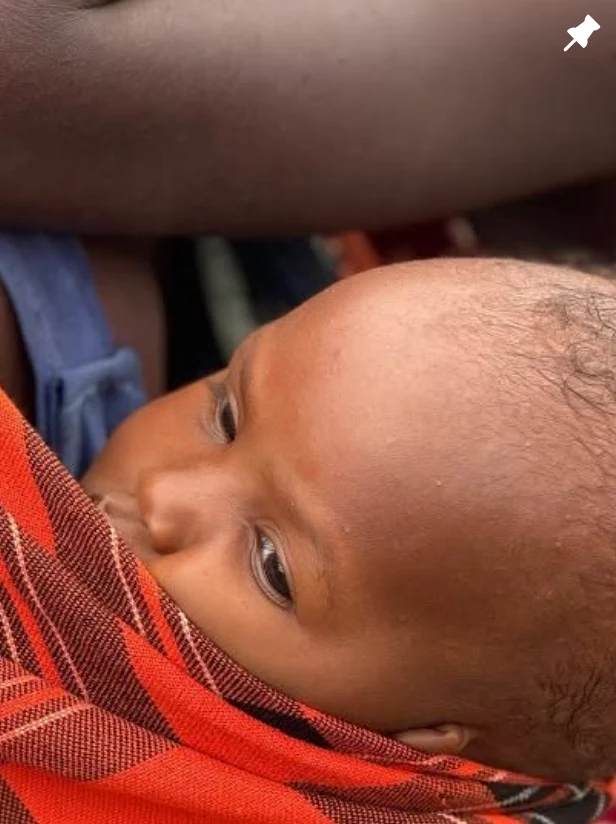







Keep baby's sensitive skin protected from biting bugs with these insect repellent creams, sprays & wipes.
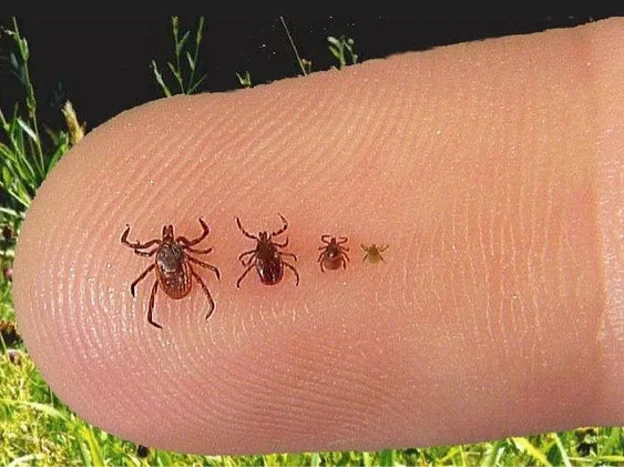
Watch videoNo one likes getting bug bites. Even worse is seeing your baby suffer from itchy mosquito bites or a latched-on tick. And with the different diseases that insects can transmit, including Zika and West Nile virus from mosquitoes and Lyme disease from ticks, insect repellent should be top-of-mind before any outdoor adventure (second only to a great sunscreen, of course)—especially in the summer.
But can you even use insect repellant on babies? Thankfully, yes. There are several main bug repellent ingredients that are safe for babies and toddlers, including:
DEET: The most effective and widely studied option for insect repellent. Formulations of up to 30% are safe for babies and toddlers and provide about five hours of protection against mosquitoes and ticks, but amounts of 10% or lower are just as effective and are recommended by the American Academy of Pediatrics (AAP).
Picaridin: This repellent is odorless, non-greasy and lasts longer than DEET, but may not be the most effective option (it’s still pretty effective, though).
Essential oil-based repellents: Made with ingredients like citronella, lemongrass and peppermint, these plant-based alternatives can offer some protection but may need to be reapplied more frequently.


No one likes getting bug bites. Even worse is seeing your baby suffer from itchy mosquito bites or a latched-on tick. And with the different diseases that insects can transmit, including Zika and West Nile virus from mosquitoes and Lyme disease from ticks, insect repellent should be top-of-mind before any outdoor adventure (second only to a great sunscreen, of course)—especially in the summer.
But can you even use insect repellant on babies? Thankfully, yes. There are several main bug repellent ingredients that are safe for babies and toddlers, including:
DEET: The most effective and widely studied option for insect repellent. Formulations of up to 30% are safe for babies and toddlers and provide about five hours of protection against mosquitoes and ticks, but amounts of 10% or lower are just as effective and are recommended by the American Academy of Pediatrics (AAP).
Picaridin: This repellent is odorless, non-greasy and lasts longer than DEET, but may not be the most effective option (it’s still pretty effective, though).
Essential oil-based repellents: Made with ingredients like citronella, lemongrass and peppermint, these plant-based alternatives can offer some protection but may need to be reapplied more frequently.
No one likes getting bug bites. Even worse is seeing your baby suffer from itchy mosquito bites or a latched-on tick. And with the different diseases that insects can transmit, including Zika and West Nile virus from mosquitoes and Lyme disease from ticks, insect repellent should be top-of-mind before any outdoor adventure (second only to a great sunscreen, of course)—especially in the summer.
But can you even use insect repellant on babies? Thankfully, yes. There are several main bug repellent ingredients that are safe for babies and toddlers, including:
DEET: The most effective and widely studied option for insect repellent. Formulations of up to 30% are safe for babies and toddlers and provide about five hours of protection against mosquitoes and ticks, but amounts of 10% or lower are just as effective and are recommended by the American Academy of Pediatrics (AAP).
Picaridin: This repellent is odorless, non-greasy and lasts longer than DEET, but may not be the most effective option (it’s still pretty effective, though).
Essential oil-based repellents: Made with ingredients like citronella, lemongrass and peppermint, these plant-based alternatives can offer some protection but may need to be reapplied more frequently.
アウトドア企業以上の存在

